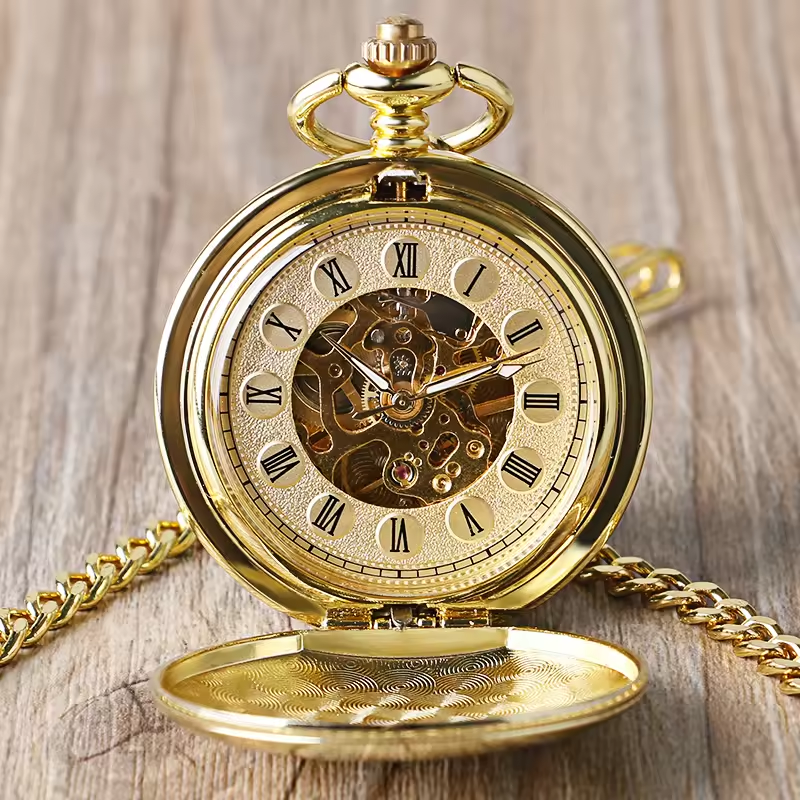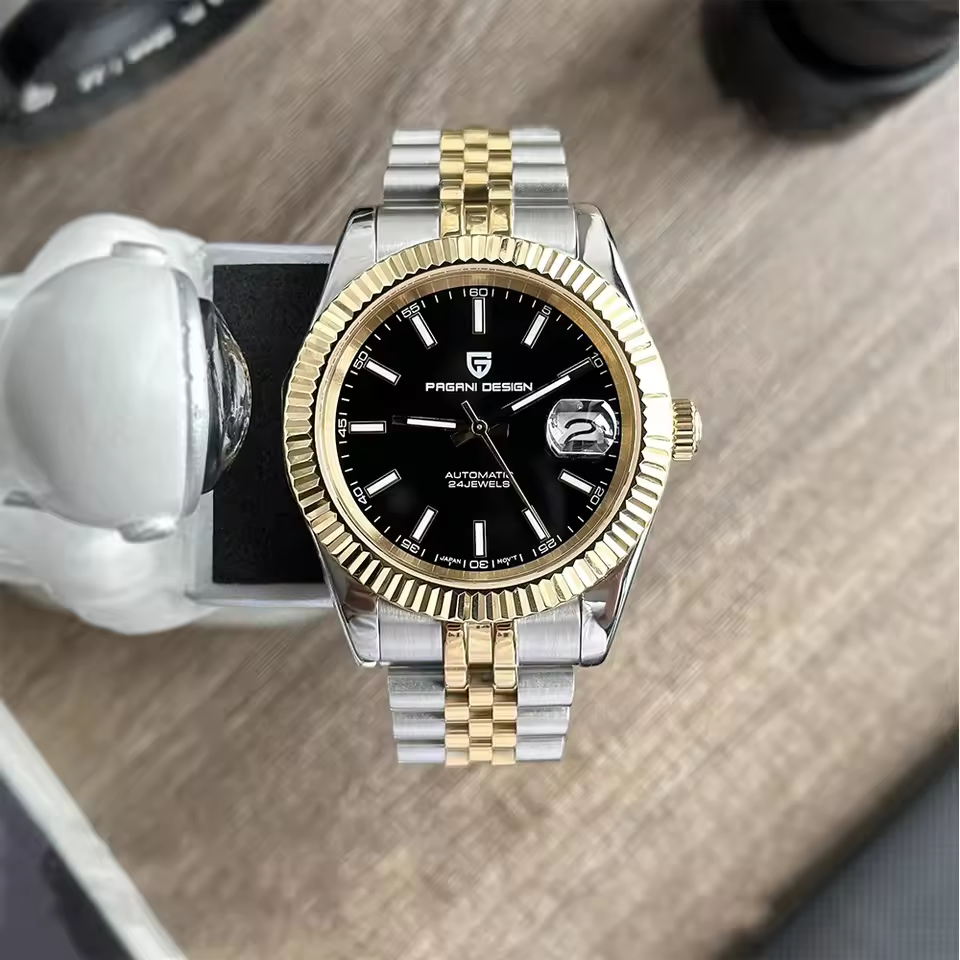
What is a Mechanical Smart Watch?
Mechanical smart watches combine traditional watchmaking with advanced smart technology. These watches maintain the intricate mechanics of classical timepieces while integrating features like notifications, fitness tracking, and more. Unlike digital smart watches, they emphasize craftsmanship and rely on mechanical movements rather than digital components.
How Mechanical Watches Differ from Quartz and Digital Watches
Mechanical watches operate through intricate gears and springs, eliminating the need for batteries. Quartz watches, on the other hand, use quartz crystals and batteries to keep time. Digital watches rely entirely on electronic components for functionality. Mechanical smart watches merge the timeless mechanical movement with modern tech capabilities, offering a unique blend of tradition and innovation.
The Fusion of Mechanical Craftsmanship with Modern Technology
Mechanical smart watches showcase exceptional craftsmanship and precision. Watchmakers integrate gears, escapements, and springs with smart sensors and displays. This fusion bridges the gap between classical watchmaking and cutting-edge technology. Features such as health tracking, Bluetooth connectivity, and app integrations enhance their functionality without compromising their elegance. Mechanical smart watches represent the perfect balance between heritage and modern convenience.
Key Features of Mechanical Smart Watches
Mechanical smart watches offer unique features by combining tradition and technology. Let’s explore what makes them stand out.
Core Functionality and Design Principles
Mechanical smart watches emphasize classic craftsmanship and innovative technology. These watches feature intricate gears and springs for timekeeping. At the same time, they integrate smart capabilities like Bluetooth and app connectivity. Their design often blends timeless elegance with modern styling. Physical dials, complications, and smart displays coexist harmoniously in these watches. They prioritize both style and functionality, appealing to diverse preferences.
Common Sensors and Smart Integrations
Modern mechanical smart watches incorporate sensors to enhance functionality. Common sensors include heart rate monitors, accelerometers, and gyroscopes. GPS tracking helps monitor location and navigation. Smart integrations allow syncing with smartphones for notifications and calls. Some models support fitness tracking and sleep monitoring. These features make them useful in daily life while retaining a traditional look.
Advantages Over Traditional Smart Watches
Mechanical smart watches offer several advantages over digital smart watches. Their mechanical movements ensure longer lifespans with proper care. They boast superior craftsmanship and durability. Unlike digital watches, they don’t rely solely on batteries. The fusion of elegance and technology appeals to those seeking both tradition and innovation. Additionally, their hybrid design offers a more sophisticated aesthetic.
How Mechanical Smart Watches Work
Mechanical smart watches combine intricate mechanisms and technology for seamless functionality. Understanding their operations helps appreciate their craftsmanship.
Internal Mechanisms and Movement Explained
Mechanical smart watches rely on gears, springs, and escapements for timekeeping. The movement, often referred to as the “heart” of the watch, powers all functions. Traditional mechanical movements come in two types: manual and automatic. Manual movements require winding, while automatic movements harness energy from wrist motion.
Smart integrations are added without compromising mechanical precision. Sensors, microprocessors, and displays work harmoniously with the movement. This blend ensures both traditional and digital functionality. Escapements regulate energy flow, maintaining accurate timekeeping. The intricate design is essential to the watch’s durability and efficiency.
Power Source and Energy Efficiency in Smart Watches
Mechanical smart watches use kinetic energy, eliminating the need for constant battery replacements. Automatic movements generate power through wrist motion. For smart features, rechargeable batteries or solar energy may supplement the mechanical system.
Energy efficiency is achieved by balancing mechanical and electronic components. While mechanical movements reduce reliance on batteries, smart functions are carefully optimized. This combination extends usage while maintaining eco-friendly operation. Advanced models even incorporate energy-saving modes for longer battery life.
Mechanical smart watches showcase sustainable design and advanced engineering. They offer timeless precision with innovative features, making them unique in the market.
Benefits of Choosing a Mechanical Smart Watch
Mechanical smart watches offer unique advantages that blend tradition, craftsmanship, and cutting-edge technology. Let’s explore why they stand out.
Durability and Longevity Compared to Digital Smart Watches
Mechanical smart watches are built to last with proper care. Their movements rely on durable mechanical parts instead of fragile digital components. Unlike digital smart watches, they do not depend solely on batteries, reducing long-term replacements. Well-maintained mechanical watches can last decades or even generations. Their robust design ensures excellent resistance to wear and tear. This longevity makes them an excellent investment for watch enthusiasts.
Aesthetic Appeal and Customization Options
Mechanical smart watches feature timeless designs that exude elegance and sophistication. Their intricate movements are often visible through transparent case backs, adding visual appeal. Customization options, including interchangeable straps and engravings, enhance their personalized charm. Many models offer a harmonious mix of physical dials and smart displays, balancing tradition with innovation. The craftsmanship involved resonates with individuals who appreciate art and detail.
Balancing Elegance with Technology
Mechanical smart watches provide the perfect fusion of style and utility. They maintain the elegance of traditional watches while offering practical smart features. Fitness tracking, notifications, and Bluetooth connectivity are seamlessly integrated into their designs. This balance appeals to users who seek modern functionality without sacrificing a classic look. By combining beauty with innovation, mechanical smart watches cater to diverse lifestyles and preferences.
Popular Brands Offering Mechanical Smart Watches
Mechanical smart watches are offered by many reputable brands that blend tradition with innovation.
Leading Watchmakers and Their Iconic Models
Several top watchmakers have stepped into the mechanical smart watch arena.
- Tag Heuer combines Swiss craft with modern tech. Models like Connected Calibre S offer smart features.
- Seiko introduces mechanical smart watches with precise movements. Features include fitness tracking and notifications.
- Fossil blends style and tech. Models like Hybrid HR include step tracking and long battery life.
- Casio includes rugged designs and outdoor features like GPS and solar charging in their hybrids.
Comparing Features Across Brands
Each brand offers unique features tailored to different user needs:
- Connectivity: Fossil leads with Bluetooth syncing and app integrations.
- Battery Life: Seiko and Casio focus on energy-efficient mechanisms and solar charging.
- Fitness Tracking: Tag Heuer emphasizes advanced sensors for health monitoring.
- Aesthetic Design: All brands maintain classic watch designs with visible mechanical movements.
While choosing a mechanical smart watch, compare features with your lifestyle needs.
Maintenance and Care for Mechanical Smart Watches
Proper maintenance ensures that your mechanical smart watch remains functional and elegant. By understanding care techniques, you can protect your investment for years.
Tips for Proper Use and Longevity
- Regular Winding: If your watch has a manual movement, wind it daily to maintain accuracy.
- Clean Gently: Use a soft cloth to wipe dust and oils off the surface regularly.
- Avoid Magnetic Fields: Keep the watch away from items like speakers and phones that emit strong magnetic fields.
- Store Safely: When not in use, store the watch in a dry, clean place with a protective case.
- Water Resistance Care: Avoid exposing non-water-resistant models to water. Even with water-resistant watches, avoid hot water.
- Schedule Servicing: Periodically have your watch serviced by a professional to ensure smooth operation.
- Use Original Parts: For repairs, always opt for authentic, brand-recommended parts to avoid compatibility issues.
Common Maintenance Challenges and Solutions
- Dust and Dirt Accumulation: Cleaning the watch often prevents debris from affecting its mechanisms.
- Power Reserve Issues: Regular wear or winding keeps the watch powered and prevents energy loss.
- Water Damage: Dry the watch promptly and seek professional help if water enters the case.
- Mechanical Malfunctions: If the watch stops functioning, consult an expert. Don’t attempt DIY fixes.
- Overwinding: Be cautious when winding manually. Stop when resistance is felt to avoid damaging gears.
- Scratches and Scuffs: Use polish designed for watch cases or have scratches professionally buffed out.
By following these steps, you can prolong the functionality and elegance of your mechanical smart watch.
Things to Consider Before Buying a Mechanical Smart Watch
Purchasing a mechanical smart watch requires careful consideration. These watches blend functionality, style, and advanced technology. Evaluate key factors to ensure your choice aligns with your needs.
Price Range and Budgeting
Mechanical smart watches come in various price ranges, from affordable models to luxury options. Set a budget to filter your choices effectively. Entry-level watches provide basic smart features at lower costs. Premium options often include advanced sensors, durable materials, and intricate craftsmanship. Remember to factor maintenance expenses, such as periodic servicing, into your budget. Compare prices across brands to find the best value without sacrificing quality.
Features vs. Personal Preference
Identify the features that matter most for your daily usage. Common options include health tracking, notifications, and app integration. Decide if fitness, navigation, or sleep monitoring capabilities are essential for you. Consider the watch’s aesthetic design, including physical dials and modern displays. Some models emphasize tradition with visible mechanical movements, while others lean toward tech-focused designs. Balancing desired features with your style preference ensures satisfaction with your purchase.
Lifestyle Compatibility and Usage
Choose a watch that complements your lifestyle and daily activities. For active individuals, opt for models with robust fitness tracking and water resistance. If aesthetics matter most, seek customizable designs like interchangeable straps or engravings. Professionals might prefer watches that seamlessly integrate with smartphones for work-related notifications. Assess energy efficiency based on your typical usage and the availability of charging options. Aligning the watch’s features with your routine enhances its practical benefits.
By considering these factors, you can find the perfect mechanical smart watch that suits your needs and preferences.
Future Trends in Mechanical Smart Watches
Mechanical smart watches continue to evolve with advancements in technology and customer preferences. The future holds exciting developments in design, functionality, and sustainability.
Innovations Shaping the Next Generation of Watches
The next generation of mechanical smart watches will feature enhanced connectivity and intelligence. Advanced AI integrations will personalize functionality, offering customized fitness tracking and health insights. Improved displays, like e-ink or AMOLED screens, will boost clarity and energy efficiency.
Brands are experimenting with expanded app compatibility. Watches could manage smarter notifications and seamlessly integrate into broader ecosystems. Gesture-based controls and voice commands may replace traditional interfaces for smoother operation.
One breakthrough is in hybrid movements. Combining mechanical precision with digital accuracy will result in better timekeeping. The watches may also include augmented reality features for navigation or virtual assistance. These innovations will redefine user experience while maintaining elegance.
Sustainability and Eco-Friendly Developments
Sustainability is becoming a crucial aspect of watchmaking. Future mechanical smart watches will likely focus on eco-friendly materials. Watch cases and straps may utilize recycled or biodegradable materials without compromising durability.
Energy efficiency will be optimized. Solar-powered mechanisms and prolonged battery life will reduce reliance on frequent charging. Some brands are exploring kinetic energy to fully power smart functionalities.
To reduce waste, modular designs could become common. Replaceable components will extend a watch’s life, proving both cost-effective and environmentally friendly. Additionally, brands may prioritize sustainable production techniques, minimizing their carbon footprint during manufacturing.
The future trends aim to blend innovation, eco-consciousness, and enduring craftsmanship. They promise exciting opportunities for improving both functionality and sustainability in mechanical smart watches.